
Scabies UK: Symptoms, Causes, Treatment, and Prevention Explained
Scabies UK: Symptoms, Causes, Treatment, and Prevention Explained
Scabies is a common but often misunderstood skin condition in the UK. Although it is not usually dangerous, it can cause intense itching, discomfort, and frustration if not treated properly. Many people in the UK search for reliable information about scabies because outbreaks can occur in households, schools, care homes, and shared living spaces. This detailed guide on scabies UK explains everything you need to know, from symptoms and causes to treatment options and prevention tips.
What Is Scabies?
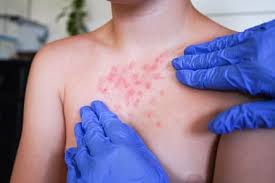
Scabies is a contagious skin infestation caused by a tiny mite called Sarcoptes scabiei. These microscopic mites burrow into the top layer of the skin, where they lay eggs. The body reacts to the mites and their waste, leading to itching and a visible rash.
In the UK, scabies affects people of all ages and backgrounds. It is not linked to poor hygiene and can spread easily through close physical contact, making it common in families and community settings.
How Common Is Scabies in the UK?
Scabies is relatively common across the UK, with thousands of cases reported each year. It can occur at any time, but outbreaks are more frequent in autumn and winter when people spend more time indoors and in close contact with others.
Care homes, nurseries, schools, student accommodations, and hospitals are particularly vulnerable to outbreaks. However, anyone can get scabies, regardless of age or lifestyle.
Scabies UK: Common Symptoms
The symptoms of scabies may take several weeks to appear, especially if it is your first time having the infestation. In people who have had scabies before, symptoms may show up within a few days.
Key symptoms include:
- Intense itching, especially at night
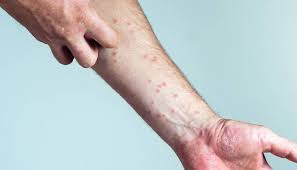
- Red rash or bumps on the skin
- Thin lines or burrows, often greyish or skin-coloured
- Sores or scabs caused by scratching
Areas commonly affected:
- Between the fingers
- Wrists and elbows
- Armpits
- Waistline
- Buttocks
- Genitals
- Around the breasts (in women)
In babies and young children, scabies can also affect the scalp, face, palms, and soles of the feet.
How Does Scabies Spread in the UK?
Scabies spreads mainly through prolonged skin-to-skin contact. This includes:
- Holding hands
- Sleeping in the same bed
- Sexual contact
It can also spread, less commonly, through shared items such as clothing, towels, or bedding, especially in crowded living conditions.
Because scabies mites can survive for a short time away from the body, outbreaks can happen quickly if precautions are not taken.
Diagnosing Scabies in the UK
In the UK, scabies is usually diagnosed by a GP or pharmacist based on symptoms and a physical examination. In some cases, a small skin scraping may be taken to confirm the presence of mites, eggs, or droppings under a microscope.
If multiple people in a household develop itching at the same time, scabies is often suspected even without visible burrows.
Scabies UK Treatment Options
The good news is that scabies is treatable. Treatment usually involves medicated creams or lotions that kill the mites.
Common treatments in the UK include:
- Permethrin 5% cream (most commonly prescribed)
- Malathion lotion (used if permethrin is not suitable)
These treatments are applied to the entire body (from the neck down, or including the scalp in some cases) and left on for a specified period, usually 8–12 hours, before washing off.
Important treatment rules:
- Everyone in the household should be treated at the same time, even if they have no symptoms
- Treatment is usually repeated after 7 days
- Clean bedding, clothing, and towels on the day treatment starts
It is normal for itching to continue for up to 2–4 weeks after successful treatment. This does not necessarily mean the treatment has failed.
Can You Get Scabies Treatment Without Seeing a GP?
In the UK, some scabies treatments can be obtained from a pharmacy, while others require a prescription. Pharmacists can often advise whether you need to see a GP or can start treatment immediately.
If symptoms persist or worsen, medical advice should always be sought.
Preventing Scabies in the UK
Preventing scabies mainly involves reducing close contact during outbreaks and following hygiene measures when someone is infected.
Prevention tips:
- Treat all close contacts at the same time
- Wash bedding, towels, and clothes at high temperatures
- Avoid close skin contact until treatment is complete
- Vacuum soft furnishings if possible
In care homes and schools, early detection and prompt treatment are key to preventing widespread outbreaks.
Scabies and Stigma in the UK
One of the biggest challenges with scabies in the UK is the stigma attached to it. Many people wrongly associate scabies with poor hygiene or unclean living conditions. In reality, scabies can affect anyone and spreads through normal human contact.
Raising awareness and understanding helps ensure people seek treatment early and reduce the spread to others.
When to See a Doctor
You should see a GP if:
- You are unsure whether your symptoms are scabies
- Treatment has not worked after two applications
- The skin becomes infected due to scratching
- A baby, elderly person, or someone with a weakened immune system is affected
Prompt medical advice can prevent complications and further transmission.
Final Thoughts on Scabies UK
Scabies is a common and treatable condition in the UK, but it requires prompt action and cooperation among close contacts. Understanding the symptoms, knowing how it spreads, and following treatment guidelines carefully can help clear the infestation and prevent reinfection.
If you suspect scabies, do not panic or feel embarrassed. Seek advice, start treatment as recommended, and take simple preventive steps to protect yourself and others. With the right approach, scabies can be effectively managed and eliminated.
