
Dr. Martin Luther King Jr. Day: History, Meaning, and Why It Still Matters Today
Dr. Martin Luther King Jr. Day: History, Meaning, and Why It Still Matters Today
Every January, millions of Americans pause to honor a man whose voice reshaped the moral direction of the United States. Dr. Martin Luther King Jr. Day is more than a federal holiday—it is a moment of reflection, education, and action rooted in the enduring fight for equality, justice, and human dignity.
Observed on the third Monday of January, Dr. Martin Luther King Jr. Day commemorates the life and legacy of Dr. Martin Luther King Jr., one of the most influential civil rights leaders in history. His commitment to nonviolent resistance and his dream of a fairer America continue to inspire generations across the globe.
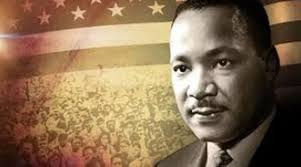
Who Was Dr. Martin Luther King Jr.?
Dr. Martin Luther King Jr. was born on January 15, 1929, in Atlanta, Georgia. A Baptist minister by training, he rose to national prominence during the Civil Rights Movement of the 1950s and 1960s. King became the face of peaceful protest against racial segregation, economic injustice, and voter suppression.
He is best known for his powerful oratory, including the historic “I Have a Dream” speech delivered during the 1963 March on Washington. His leadership helped bring about landmark legislation such as the Civil Rights Act of 1964 and the Voting Rights Act of 1965—laws that permanently changed the legal and social landscape of the United States.
The Origin of Dr. Martin Luther King Jr. Day
The idea of a national holiday honoring Dr. King emerged shortly after his assassination on April 4, 1968. Supporters argued that his contributions to democracy and human rights deserved permanent recognition. However, it took years of advocacy, public debate, and political effort before the holiday became law.
In 1983, President Ronald Reagan signed legislation establishing Dr. Martin Luther King Jr. Day as a federal holiday. It was first officially observed in 1986. Over time, all 50 states recognized the holiday, making it a unifying national observance.
Why Dr. Martin Luther King Jr. Day Is Celebrated in January
Although Dr. King’s birthday falls on January 15, the holiday is observed on the third Monday of January. This scheduling aligns with the federal holiday system designed to create long weekends, encouraging broader participation and public engagement.
The timing also serves as a symbolic start to the year—reminding Americans that the values of equality, compassion, and justice should guide the months ahead.
The Meaning Behind Dr. Martin Luther King Jr. Day
Unlike many holidays centered on leisure or celebration, Dr. Martin Luther King Jr. Day carries a deeper purpose. It is often referred to as a “Day of Service”, emphasizing action over words.
The holiday encourages individuals to:
- Reflect on civil rights history
- Engage in volunteerism and community service
- Promote dialogue on racial justice and equality
- Continue Dr. King’s mission through peaceful action
Dr. King famously said, “Life’s most persistent and urgent question is, ‘What are you doing for others?’” This quote perfectly captures the spirit of the day.
How Dr. Martin Luther King Jr. Day Is Observed
Across the United States, Dr. Martin Luther King Jr. Day is marked in many meaningful ways:
1. Community Service Projects
Nonprofits, schools, and local governments organize food drives, neighborhood cleanups, and outreach programs. Volunteering is a central theme of the holiday.
2. Educational Events
Schools and universities host lectures, discussions, and programs that explore civil rights history, social justice, and Dr. King’s philosophy of nonviolence.
3. Parades and Memorials
Cities across the country hold marches and ceremonies celebrating Dr. King’s life, often featuring speeches from community leaders and activists.
4. Reflection and Dialogue
Many families and individuals use the day to read Dr. King’s speeches, watch documentaries, or engage in conversations about equality and progress.
Dr. Martin Luther King Jr. Day in the Modern World
More than half a century after Dr. King’s death, his message remains strikingly relevant. Issues such as racial inequality, economic disparity, and social injustice continue to challenge societies worldwide.
Dr. Martin Luther King Jr. Day serves as a reminder that progress requires constant effort. It asks difficult questions:
- Are we living up to the ideals of equality?
- How can nonviolent action create change today?
- What role does each individual play in shaping a just society?
In an era of rapid social change and political division, Dr. King’s emphasis on empathy, courage, and moral leadership offers a timeless roadmap forward.
Why Dr. Martin Luther King Jr. Day Matters for Future Generations
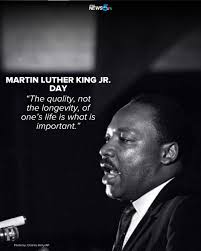
For younger generations, Dr. Martin Luther King Jr. Day is an opportunity to learn that history is not distant or abstract—it is alive and influential. The freedoms and rights enjoyed today were earned through sacrifice, unity, and perseverance.
By teaching children and young adults about Dr. King’s life and values, the holiday helps nurture informed citizens who understand the importance of standing up for justice, even when it is difficult.
Famous Quotes That Define Dr. Martin Luther King Jr. Day
Some of Dr. King’s words continue to resonate deeply:
- “Injustice anywhere is a threat to justice everywhere.”
- “Faith is taking the first step even when you don’t see the whole staircase.”
- “Darkness cannot drive out darkness; only light can do that.”
These quotes are often shared on Dr. Martin Luther King Jr. Day as reminders of the moral clarity and hope he offered to the world.
Conclusion: Honoring the Legacy of Dr. Martin Luther King Jr.
Dr. Martin Luther King Jr. Day is not just about remembering the past—it is about shaping the future. It calls on individuals to move beyond reflection and into action, guided by principles of equality, service, and nonviolence.
As each year brings new challenges, Dr. King’s dream remains a powerful reminder that change begins with courage, compassion, and collective responsibility. By honoring his legacy, we reaffirm a commitment to building a society where freedom and justice are truly for all.
