
Measles: Symptoms, Causes, Prevention & Why Vaccination Matters More Than Ever
Measles: Symptoms, Causes, Prevention & Why Vaccination Matters More Than Ever
Measles is not just a childhood illness from the past—it remains a serious and highly contagious disease that still affects communities worldwide. Despite the availability of effective vaccines, outbreaks continue to occur due to gaps in immunization and misinformation. In this comprehensive guide, we’ll explore everything you need to know about Measles—from symptoms and causes to prevention, treatment, and long-term risks.
What Is Measles?
Measles is a viral infection caused by the Measles virus. It primarily affects the respiratory system and spreads easily through coughing, sneezing, or even breathing the same air as an infected person.
Before widespread vaccination, measles was one of the leading causes of death among young children globally. Today, thanks to the MMR vaccine, cases have significantly declined—but the disease has not been completely eradicated.
Why Measles Is Still a Threat
Many people assume measles is no longer dangerous. That’s a risky misconception.
- Measles is extremely contagious—up to 90% of unvaccinated people exposed will get infected.
- The virus can linger in the air for up to two hours after an infected person leaves the area.
- Global travel and vaccine hesitancy have contributed to recent outbreaks.
Even in developed countries, declining vaccination rates can quickly lead to the resurgence of measles.
Common Symptoms of Measles
Symptoms usually appear 7–14 days after exposure. The illness progresses in stages:
Early Symptoms
- High fever (often above 101°F or 38.3°C)
- Persistent cough
- Runny nose
- Red, watery eyes (conjunctivitis)
Koplik Spots
Small white spots may appear inside the mouth—these are a key early sign of measles.
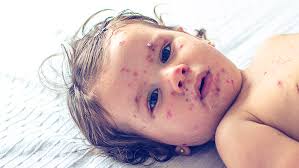
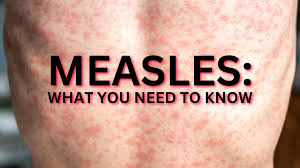
Skin Rash
- Red, blotchy rash begins on the face and spreads downward
- Typically appears 3–5 days after initial symptoms
- May last for several days
How Measles Spreads
The Airborne transmission of measles makes it one of the most infectious diseases known.
It spreads through:
- Coughing and sneezing
- Close personal contact
- Sharing utensils or drinks
- Touching contaminated surfaces
Unlike some illnesses, you don’t need direct contact—the virus can infect you just by being in the same room.
Causes and Risk Factors
The main cause of measles is exposure to the virus. However, certain factors increase the risk:
- Lack of vaccination
- Traveling to areas with outbreaks
- Weak immune system
- Vitamin A deficiency
- Living in crowded environments
Children under five and adults over 20 are more likely to experience complications.
Complications of Measles
Measles is often underestimated, but it can lead to serious health issues, including:
-
- Ear infections
- Diarrhea
- Pneumonia (a leading cause of death in measles cases)
- Encephalitis (brain swelling)
- Pregnancy complications
In rare cases, measles can cause a fatal condition called subacute sclerosing panencephalitis (SSPE), which affects the brain years after infection.
Diagnosis of Measles
Doctors typically diagnose measles based on:
- Physical symptoms (rash and fever pattern)
- Medical history
- Laboratory tests (blood or throat swab)
Early diagnosis is important to prevent further spread and complications.
Treatment Options
There is no specific antiviral treatment for measles. Care focuses on relieving symptoms and preventing complications.
Supportive Care Includes:
- Rest and hydration
- Fever-reducing medications
- Vitamin A supplements (especially in children)
- Isolation to prevent spread
In severe cases, hospitalization may be required.
The Importance of Vaccination
Vaccination is the most effective way to prevent measles.
The MMR vaccine provides long-lasting protection and is typically given in two doses:
- First dose: 12–15 months
- Second dose: 4–6 years
Benefits of Vaccination:
- 97% effective after two doses
- Protects not only individuals but also communities (herd immunity)
- Prevents outbreaks and saves lives
Measles Prevention Tips
Beyond vaccination, you can reduce your risk by:
- Avoiding close contact with infected individuals
- Practicing good hygiene (handwashing, covering coughs)
- Wearing masks in high-risk areas
- Keeping your immune system strong with proper nutrition
Measles in Adults vs Children
While often considered a childhood illness, measles can affect adults—and sometimes more severely.
In Children:
- Higher risk of complications like ear infections
- Faster spread in schools or daycare
In Adults:
- More intense symptoms
- Higher chance of hospitalization
Unvaccinated adults are particularly vulnerable.
Global Impact of Measles
Despite medical advancements, measles continues to pose a global health challenge.
- Millions of cases are reported annually
- Developing countries face higher mortality rates
- Vaccine access and education remain key challenges
Organizations like World Health Organization are actively working to eliminate measles through immunization programs.
Debunking Common Myths
Myth 1: Measles is harmless
Reality: It can cause severe complications and even death.
Myth 2: Natural infection is better than vaccination
Reality: Infection carries serious risks; vaccines provide safe immunity.
Myth 3: Vaccines are unsafe
Reality: Extensive research confirms that vaccines are safe and effective.
Why Measles Awareness Matters Today
In today’s interconnected world, diseases can spread faster than ever. Measles serves as a reminder that prevention is always better than cure.
Low vaccination rates in even small communities can lead to outbreaks, putting vulnerable populations—especially infants and immunocompromised individuals—at risk.
High CPC Keywords Related to Measles
To boost SEO and earning potential, here are a few relevant high-value keywords naturally included in this article:
- Measles symptoms and treatment
- Measles vaccine effectiveness
- Prevent measles infection
- Measles outbreak prevention
- Measles vaccination benefits
Final Thoughts
Measles is preventable, but only if we take it seriously. With proper vaccination, awareness, and timely medical care, we can protect ourselves and our communities from this dangerous disease.
Whether you’re a parent, traveler, or simply health-conscious, understanding measles is essential in today’s world. Don’t wait for an outbreak—take proactive steps now to stay protected.
Quick Recap
- Measles is a highly contagious viral disease
- Symptoms include fever, cough, and rash
- No specific cure—treatment is supportive
- Vaccination is the best protection
- Awareness and prevention save lives
