
NATO Fighters Intercepted Russian Military Aircraft Over the Baltic Sea: What It Means for Global Security
NATO Fighters Intercepted Russian Military Aircraft Over the Baltic Sea: What It Means for Global Security
In a development that has once again drawn global attention to rising military tensions in Europe, NATO fighters intercepted Russian military aircraft over the Baltic Sea. This incident is not an isolated one—it reflects a broader pattern of strategic maneuvers, surveillance operations, and geopolitical signaling between the West and Russia.
For readers trying to understand the bigger picture, this article breaks down what happened, why it matters, and how it could impact global stability in the coming years.
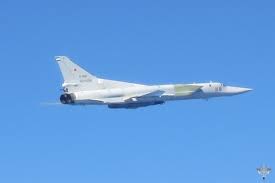
What Happened Over the Baltic Sea?
Recent reports confirm that fighter jets from NATO were scrambled to intercept Russian military aircraft flying near the Baltic region. These aircraft were reportedly operating without proper communication signals, such as transponders, which are typically used to identify and track planes in international airspace.
The interception took place over the Baltic Sea, a strategically important body of water bordered by several NATO member states, including Estonia, Latvia, Lithuania, Poland, and Germany.
Such interceptions are standard procedure when unidentified or potentially hostile aircraft approach NATO airspace. NATO jets usually escort these aircraft to ensure they do not violate territorial boundaries.
Why Does NATO Intercept Russian Aircraft?
To understand this situation, it’s important to look at NATO’s mission. NATO is a military alliance formed to ensure collective defense among its member countries. When one member feels threatened, others step in to support.
Russia, on the other hand, frequently conducts military exercises and patrol flights in international airspace. While these flights are technically legal, they often occur near NATO borders and without prior notice.
Here’s why NATO responds:
- Airspace Security: To ensure no unauthorized entry into member states’ airspace
- Risk Prevention: Aircraft without transponders pose risks to civilian aviation
- Strategic Signaling: Demonstrating readiness and deterrence capabilities
- Monitoring Activity: Keeping track of military movements in sensitive regions
Rising Tensions Between NATO and Russia
The interception highlights the ongoing tensions between NATO and Russia. Relations have been strained for years, especially after events like the annexation of Crimea and ongoing conflicts in Eastern Europe.
The Baltic region has become a hotspot for military activity because of its proximity to Russian territory, particularly Kaliningrad—a heavily militarized Russian enclave.
These frequent encounters are part of a larger geopolitical chess game where both sides aim to assert dominance without triggering direct conflict.
Strategic Importance of the Baltic Sea
The Baltic Sea is not just another water body—it’s a crucial military and economic corridor.
Key reasons why it matters:
- Trade Routes: Major shipping lanes pass through the region
- Military Positioning: Several NATO bases are located nearby
- Energy Infrastructure: Pipelines and cables run beneath the sea
- Geopolitical Influence: Control over this area means strategic advantage
For NATO, maintaining dominance in this region is essential to protect member states and ensure regional stability.
How NATO Responds to Such Incidents
When unidentified aircraft approach NATO airspace, a rapid-response system is activated.
Typical response includes:
- Radar Detection: Monitoring aircraft movements in real-time
- Jet Deployment: Fighter jets are scrambled within minutes
- Visual Identification: Pilots identify the aircraft type and origin
- Escort Procedure: Aircraft are escorted until they leave the area
These missions are often carried out by NATO’s Baltic Air Policing forces, which rotate among member countries.
Are These Interceptions Dangerous?
While these encounters may sound alarming, they are usually conducted professionally and without direct confrontation. However, risks still exist.
Potential dangers include:
- Miscommunication: Lack of signals can lead to confusion
- Close Proximity Flying: High-speed jets operating nearby increase risk
- Escalation: Misinterpretation of actions could lead to conflict
This is why both NATO and Russia are expected to follow international aviation norms to minimize risks.
Russia’s Perspective
From Russia’s point of view, these flights are routine military operations conducted in international airspace. Russian officials often argue that NATO’s expansion toward its borders has forced them to increase surveillance and defense activities.
Russia also claims that NATO’s military presence near its territory is provocative, leading to a cycle of action and reaction between both sides.
Impact on Global Security
Incidents like NATO fighters intercepting Russian military aircraft over the Baltic Sea may seem localized, but they have global implications.
Here’s how:
- Increased Military Spending: Nations invest more in defense
- Geopolitical Uncertainty: Markets react to rising tensions
- Alliance Strengthening: NATO members tighten cooperation
- Risk of Escalation: Small incidents could spiral if mishandled
In today’s interconnected world, even minor military encounters can influence international relations and economic stability.
Role of International Law
International airspace laws allow military aircraft to operate freely outside national boundaries. However, there are expectations regarding safety and communication.
Organizations like the International Civil Aviation Organization (ICAO) set guidelines to ensure that military and civilian aircraft can coexist safely.
When aircraft operate without transponders or communication, they may not violate the law—but they certainly raise concerns.
NATO’s Baltic Air Policing Mission
One of the key operations involved in these interceptions is NATO’s Baltic Air Policing mission.
Key features of this mission:
- Established in 2004
- Protects airspace of Baltic states without their own fighter jets
- Involves rotating deployments from NATO member countries
- Operates 24/7 readiness
This mission plays a crucial role in maintaining security in the region.
What Happens Next?
As long as geopolitical tensions persist, such interceptions are likely to continue. Both NATO and Russia are expected to maintain a strong military presence in the Baltic region.
However, diplomatic efforts remain equally important. Communication channels between military forces help prevent misunderstandings and reduce the risk of escalation.
Key Takeaways
- NATO fighters intercepted Russian military aircraft over the Baltic Sea as part of routine security operations
- The Baltic region is strategically important for both NATO and Russia
- Such incidents highlight ongoing geopolitical tensions
- While generally safe, these encounters carry risks if mismanaged
- Continued diplomacy is essential to avoid escalation
Final Thoughts
The headline “NATO fighters intercepted Russian military aircraft over the Baltic Sea” may sound dramatic, but it reflects a complex and ongoing geopolitical reality. These interactions are part of a broader struggle for influence, security, and strategic advantage.
For readers and global observers, the key lies in understanding that these incidents are not isolated—they are signals of deeper political and military dynamics shaping the future of international relations.
As the world watches closely, one thing is clear: maintaining balance between deterrence and diplomacy will be crucial in preventing conflict and ensuring long-term peace.
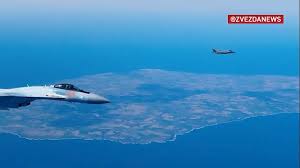
Related Keywords (SEO Boost)
- NATO air policing Baltic Sea
- Russian military aircraft interception
- Baltic Sea military tensions
