
Colorectal Cancer: Symptoms, Causes, Prevention, and Treatment
Colorectal Cancer: Symptoms, Causes, Prevention, and Treatment
Colorectal cancer is one of the most common cancers worldwide, affecting millions of people every year. It develops in the colon or rectum, which are important parts of the digestive system. While the disease can be serious, early detection and modern treatments have significantly improved survival rates. Understanding the symptoms, risk factors, and prevention methods can help people protect their health and seek medical attention at the right time.
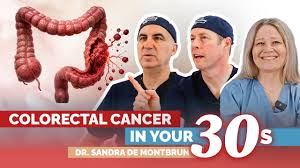
What Is Colorectal Cancer?
Colorectal Cancer is a type of cancer that begins in the colon or rectum. The colon and rectum make up the large intestine, which helps process waste and remove it from the body. Most colorectal cancers start as small growths called polyps. Over time, some polyps can turn into cancer if they are not removed.
The disease is more common in older adults, but cases among younger adults have also been increasing in recent years. Doctors recommend regular screening because colorectal cancer often develops slowly and may not cause symptoms in its early stages.
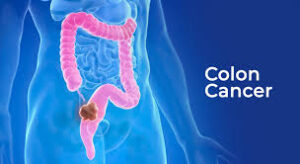
Common Symptoms of Colorectal Cancer
The symptoms of colorectal cancer can vary depending on the location and stage of the disease. Some people may not notice any signs in the beginning. Common symptoms include:
- Persistent abdominal pain or cramps
- Changes in bowel habits, such as diarrhea or constipation
- Blood in the stool or rectal bleeding
- Unexplained weight loss
- Weakness or fatigue
- Feeling that the bowel does not empty completely
- Narrow stools
If these symptoms continue for several weeks, it is important to consult a healthcare professional for evaluation.
https://www.profitablecpmratenetwork.com/pess3nd7?key=a91bbbda52d9500db7c7b6dc6c1df6b8
Causes and Risk Factors
There is no single cause of colorectal cancer, but several factors can increase the risk of developing the disease.
Age
The risk increases after the age of 50, although younger people can also develop colorectal cancer.
Family History
People with a family history of colorectal cancer or colon polyps are more likely to develop the disease.
Unhealthy Diet
A diet high in processed meats, red meat, and low in fruits and vegetables may raise the risk.
Lack of Physical Activity
A sedentary lifestyle can contribute to obesity and increase cancer risk.
Smoking and Alcohol
Smoking tobacco and heavy alcohol use are linked to higher colorectal cancer rates.
Medical Conditions
Certain conditions, such as inflammatory bowel disease, Crohn’s disease, and ulcerative colitis, may increase the likelihood of developing colorectal cancer.
https://www.profitablecpmratenetwork.com/x290rjyxx?key=4c97d33edf696f977aa0ddbb13218a3b
How Colorectal Cancer Is Diagnosed
Doctors use several tests to detect colorectal cancer. Early diagnosis can greatly improve treatment outcomes.
Colonoscopy
A colonoscopy allows doctors to examine the inside of the colon using a flexible tube with a camera. Polyps can also be removed during the procedure.
Stool Tests
These tests look for hidden blood or abnormal DNA in stool samples.
Imaging Tests
CT scans, MRI scans, and X-rays help doctors determine whether the cancer has spread.
Biopsy
A small tissue sample may be taken and examined under a microscope to confirm the diagnosis.
Stages of Colorectal Cancer
Colorectal cancer is classified into stages based on how far it has spread.
- Stage 0: Abnormal cells are found only in the inner lining of the colon.
- Stage 1: Cancer has spread into the wall of the colon or rectum.
- Stage 2: Cancer has grown through the wall but has not spread to lymph nodes.
- Stage 3: Cancer has spread to nearby lymph nodes.
- Stage 4: Cancer has spread to distant organs such as the liver or lungs.
Understanding the stage helps doctors choose the best treatment plan.
Treatment Options for Colorectal Cancer
Treatment depends on the stage, overall health, and location of the cancer.
Surgery
Surgery is the most common treatment for early-stage colorectal cancer. Doctors remove the cancerous section of the colon or rectum.
Chemotherapy
Chemotherapy uses drugs to destroy cancer cells and may be used after surgery or for advanced cancer.
Radiation Therapy
Radiation therapy is often used for rectal cancer to shrink tumors before surgery.
Targeted Therapy
Targeted drugs attack specific cancer cells while minimizing damage to healthy cells.
Immunotherapy
Immunotherapy helps the immune system recognize and fight cancer cells more effectively.
Can Colorectal Cancer Be Prevented?
Although not all cases can be prevented, certain lifestyle changes can lower the risk.
Eat a Healthy Diet
Consume more fruits, vegetables, whole grains, and fiber-rich foods while limiting processed meats and sugary foods.
Stay Active
Regular physical activity supports overall health and may reduce cancer risk.
Avoid Smoking
Quitting smoking benefits the entire body and lowers the chance of many cancers.
Limit Alcohol
Reducing alcohol consumption can help decrease colorectal cancer risk.
Get Screened Regularly
Screening tests can detect polyps before they become cancerous. Many experts recommend screening beginning at age 45 for average-risk adults.
Living With Colorectal Cancer
A colorectal cancer diagnosis can affect both physical and emotional health. Support from family, friends, healthcare providers, and support groups can make a major difference. Many patients continue to live full and meaningful lives during and after treatment.
Healthy eating, stress management, and regular medical follow-ups are essential for recovery and long-term health.
The Importance of Awareness
Awareness about colorectal cancer saves lives. Many people ignore symptoms because they feel embarrassed or assume the symptoms are minor digestive problems. Early detection through regular screening remains one of the best ways to reduce deaths from colorectal cancer.
Public education campaigns and medical advancements continue to improve outcomes for patients around the world.
Final Thoughts
Colorectal Cancer is a serious but often preventable and treatable disease when detected early. Understanding the warning signs, maintaining a healthy lifestyle, and getting regular screenings are essential steps toward reducing risk. With modern medical care and increased awareness, more people are surviving colorectal cancer and living healthier lives.
