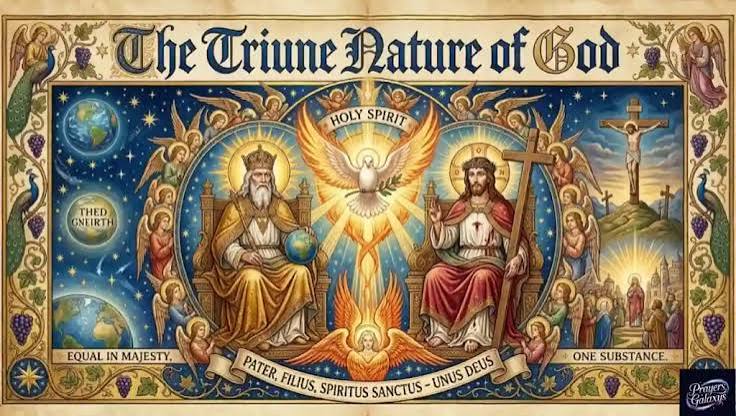
Biblically Accurate God: Revealing the True Glory Beyond Human Imagination
Many people picture God through paintings, movies, childhood lessons, or cultural traditions. But when we ask what the biblically accurate God is really like, Scripture gives us something far deeper than a simple human portrait. The Bible presents God as eternal, holy, sovereign, loving, just, merciful, and beyond the limits of human imagination.
This does not mean Scripture gives us a conventional physical portrait of God. Instead, biblical writers describe His glory through visions, symbols, divine manifestations, and ultimately through Jesus Christ. Isaiah, Ezekiel, Daniel, and John describe overwhelming scenes of heavenly glory that point toward God’s majesty rather than an ordinary human appearance.
So, what does a biblically accurate God look like, and what does Scripture actually reveal about His character? Let’s explore the biblical picture and discover why God’s true glory is much greater than any image created by human imagination.
What Does “Biblically Accurate God” Actually Mean?
The phrase biblically accurate God means seeking to understand God according to what Scripture reveals rather than relying on popular culture, artwork, assumptions, or personal imagination.
The Bible describes God as spirit, eternal, infinite, and not limited to an ordinary physical form. At the same time, Scripture frequently uses visible imagery to communicate His glory and presence.
This distinction is important. When the Bible describes fire, light, clouds, a throne, or a radiant figure, readers should consider the context. Some descriptions come through prophetic visions and symbolic language. They communicate God’s holiness, power, majesty, and authority.
Therefore, a biblical description of God is not necessarily a literal portrait. It is often a revelation of who God is and how His presence appears to human beings.
INTRODUCTION
Have you ever wondered what the biblically accurate God is truly like beyond paintings, traditions, and human imagination? Scripture presents a far deeper picture of God as eternal, holy, powerful, loving, just, and merciful. Rather than giving us a simple physical portrait, the Bible reveals His glory through prophetic visions, divine manifestations, and His work throughout history. From the glory of God revealed to Isaiah and Ezekiel to the Ancient of Days described by Daniel, these passages offer breathtaking glimpses of divine majesty.
Most importantly, Christians understand Jesus Christ as the image of the invisible God, helping us understand His character more clearly. Exploring these biblical descriptions can deepen faith, worship, prayer, and understanding of God.
What Does God Look Like According to the Bible?
One of the most fascinating questions surrounding the topic is: What does God look like?
Scripture does not provide a simple physical description comparable to the way it describes an ordinary person. Instead, biblical accounts emphasize God’s spiritual nature and overwhelming glory.
Several biblical figures received extraordinary visions of God’s presence. Isaiah saw the Lord seated on a high and exalted throne. Ezekiel described a breathtaking vision filled with fire, brightness, living creatures, and a heavenly throne. Daniel described the Ancient of Days in a vision. Revelation presents another powerful picture of God’s heavenly throne surrounded by worship.
These passages should not be reduced to an attempt to create a literal photograph of God. Their purpose is to communicate divine majesty, holiness, authority, and glory.
The Bible’s approach is therefore more profound than simply answering what God physically looks like. It invites readers to understand God’s character and glory.
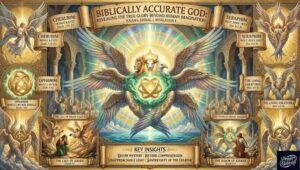
The Throne Room Visions of Isaiah, Ezekiel, Daniel, and Revelation
The clearest biblical imagery surrounding God’s heavenly glory appears in prophetic and apocalyptic visions.
Isaiah’s Vision of God’s Throne
Isaiah 6 describes the prophet seeing the Lord on a throne while seraphim worship around Him. The central message is God’s overwhelming holiness.
The vision causes Isaiah to recognize his own unworthiness and the seriousness of standing before a holy God. The scene is not merely about appearance; it reveals the majesty of the divine presence.
Ezekiel’s Vision of Divine Glory
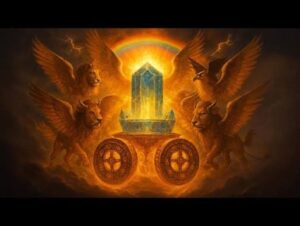
Ezekiel’s first chapter contains one of Scripture’s most unusual descriptions of heavenly glory. The prophet sees living creatures, fire, brilliant light, wheels, and a throne-like appearance.
The imagery is extraordinary because Ezekiel is attempting to describe a vision that exceeds ordinary human experience. The source material similarly identifies Isaiah, Ezekiel, and Daniel as receiving visions characterized by overwhelming light, fire, majestic thrones, and heavenly beings.
Daniel and the Ancient of Days
Daniel 7 introduces the title Ancient of Days, emphasizing God’s eternal authority and judgment. The imagery communicates God’s timeless existence and supreme position as judge and ruler.
Revelation’s Heavenly Throne
The book of Revelation continues the throne-room imagery, presenting worship, heavenly beings, divine glory, and God’s supreme authority.
Taken together, these passages show that biblical visions of God focus strongly on glory, holiness, authority, and worship rather than giving humanity an ordinary physical portrait.
The Glory and Holiness of the Biblically Accurate God
God’s glory is one of the central themes in Scripture. Biblical visions use powerful imagery such as light, fire, heavenly worship, and majestic surroundings to communicate something beyond ordinary human experience.
God’s holiness means that He is completely set apart and morally perfect. His holiness is closely connected with His justice, righteousness, and authority.
This is why encounters with divine glory in Scripture are often described as overwhelming. The response is commonly reverence, humility, worship, or awe.
Rather than making God seem distant, these descriptions show the greatness of the One believers are invited to trust.
The Essential Attributes of the Biblically Accurate God
Understanding God’s character is more important than attempting to construct a physical image.
Omnipotence: God Is All-Powerful
The Bible presents God as possessing unlimited power. Creation itself demonstrates His authority, while biblical history repeatedly describes His ability to accomplish His purposes.
Omniscience: God Knows All Things
God’s knowledge is not limited by human uncertainty. Scripture presents Him as knowing humanity completely and understanding history perfectly.
Omnipresence: God Is Present Everywhere
God cannot be confined to one earthly location. His presence extends throughout creation while remaining personally involved with His people.
Holiness and Righteousness
God’s holiness is central to His identity. He is morally perfect, and His righteousness means His actions are consistent with His holy character.
Justice
Biblical justice means that God does not simply overlook wrongdoing. His judgment reflects His righteousness and authority.
Love and Mercy
God is also portrayed as loving, patient, merciful, and willing to forgive. Scripture connects His mercy with grace and salvation.
These characteristics belong together. A complete biblical understanding of God should not emphasize love while ignoring holiness, or emphasize judgment while ignoring mercy.
Jesus Christ: The Clearest Revelation of God
For Christianity, understanding God ultimately leads to Jesus Christ.
The source article emphasizes that Jesus is presented as the image of the invisible God and the exact representation of God’s nature.
This is one of the most important ideas for understanding the biblically accurate God.
Instead of looking only for a supernatural physical appearance, Christians can look at the life and character of Jesus. His compassion toward people, willingness to forgive, teaching about righteousness, miracles, sacrifice, and resurrection all contribute to the Christian understanding of God’s character.
Jesus therefore provides more than an image. He reveals God’s character through His words, actions, mission, and relationship with humanity.
Jesus as the Image of the Invisible God
Colossians describes Christ as the image of the invisible God. This means that Jesus is central to Christian understanding of God’s nature.
Jesus as God’s Exact Representation
Hebrews presents Christ as the exact representation of God’s nature. The emphasis is on identity, character, and divine glory rather than merely physical appearance.
Divine Attributes Displayed Through Jesus
The Gospel accounts show characteristics associated with God’s nature through Jesus:
- Power through miracles
- Love through sacrifice
- Mercy through forgiveness
- Justice through teaching
- Grace through redemption
The source material also highlights Christ’s atonement, reconciliation, victory over death, and the offer of eternal life.
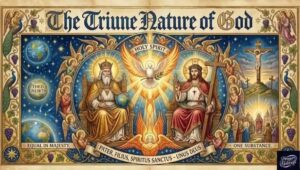
The Trinity: Father, Son, and Holy Spirit
Another essential part of Christian theology is the Trinity.
Christian Scripture speaks of the Father, Son, and Holy Spirit while maintaining belief in one God. The source material describes the Father as initiating salvation, the Son as carrying out a mediating and redemptive work, and the Holy Spirit as comforting, convicting, and empowering believers.
Understanding the Trinity helps explain why the biblical picture of God cannot be reduced to a single physical figure.
The Father, Son, and Holy Spirit are distinct in their personal relations and works, yet Christian theology understands them within the unity of the one God.
This also highlights the relational character of God. The source material describes the Trinity as revealing God as relational, loving, and united in purpose.
Is the God of the Old Testament Different From the God of the New Testament?
Some people assume the Old Testament presents an angry God while the New Testament presents a completely different God of love.
The broader biblical picture is more consistent.
The source material emphasizes that God’s love, justice, and holiness appear throughout both Testaments. It also explains progressive revelation as God’s disclosure unfolding gradually while remaining consistent.
The Old Testament contains powerful examples of God’s mercy and covenant faithfulness. The New Testament contains serious teachings about judgment and accountability.
Therefore, love does not belong exclusively to one Testament, and judgment does not belong exclusively to the other.
The Christian understanding is that Scripture presents one unified redemptive story, ultimately centered on Christ.

Common Misconceptions About a Biblically Accurate God
Many inaccurate ideas about God develop because people inherit cultural images or read individual passages without considering the larger biblical context.
God Is Not Simply an Old Man in the Sky
Popular artwork may depict God as an elderly human figure. While artistic representations can be meaningful, they should not be confused with a complete biblical description.
God Is Not Only Judgment
The Bible presents God as both just and merciful. Reducing Him to anger creates an incomplete picture.
God Is Not Only Permissive
Likewise, describing God as someone who simply approves everything ignores biblical teachings about holiness, righteousness, and judgment.
Prophetic Imagery Should Be Read Carefully
Fire, wheels, living creatures, light, and heavenly thrones appear in visions. They communicate theological meaning and should be interpreted within their literary and biblical context.
The source material identifies cultural influence, misinterpretation of Scripture, and emotional experiences as factors that can contribute to distorted views of God.
Why Biblical Accuracy About God Matters
Having an accurate understanding of God affects more than theological knowledge. It can influence prayer, worship, faith, relationships, and everyday decisions.
When believers build their understanding on Scripture rather than assumptions, they can develop a more grounded view of God’s character.
The source material explains that accurate theology can shape decisions, worship, relationships, and a believer’s personal relationship with God.
It can also protect against false teaching and distorted representations.
Most importantly, knowing God according to Scripture encourages a faith rooted in truth rather than imagination.
How Knowing God’s True Nature Can Transform Daily Life
A biblical understanding of God can change how a person approaches ordinary spiritual life.
From Fear to Confident Assurance
Understanding God’s grace can replace unhealthy fear with confidence in prayer.
From Religious Performance to Grace
Faith becomes less about trying to earn God’s approval and more about responding to His grace.
Worship With Both Reverence and Intimacy
A biblical view of God balances awe with closeness. God is holy and majestic, yet Scripture also presents Him as one who invites relationship.
Prayer Grounded in Trust
Knowing God’s faithfulness can give believers greater confidence when they pray.
Living With Purpose and Hope
The source material connects knowledge of God’s true nature with renewed purpose, lasting hope, and spiritual growth.
How to Learn More About the Biblically Accurate God
If you want to develop a deeper understanding of God, begin with Scripture rather than internet images or popular interpretations.
1. Study Scripture Systematically
Study God’s attributes by topic. Compare passages, use cross-references, and consider reliable biblical commentaries.
2. Pray for Wisdom and Understanding
Prayer can accompany Bible study by helping you reflect on what Scripture teaches.
3. Keep a Scripture Journal
Write down passages that reveal God’s character and record questions or insights as you study.
4. Learn With Other Believers
Bible study groups, church teaching, and mature mentors can provide valuable opportunities for discussion and deeper learning. These approaches are also highlighted in the source material’s practical study recommendations.
Frequently Asked Questions
What does a biblically accurate God look like?
The Bible does not provide a conventional physical portrait of God. Instead, it describes His glory through visions, symbols, manifestations, and ultimately through Jesus Christ.
Does the Bible describe God’s appearance?
Scripture contains several visions involving God’s throne, glory, brightness, fire, and heavenly beings. These descriptions communicate divine majesty and holiness rather than providing a simple human-style portrait.
Who is the Ancient of Days?
The Ancient of Days is a title used in Daniel’s vision that emphasizes God’s eternal authority and supreme judgment.
What did Isaiah see when he saw God?
Isaiah 6 describes the Lord seated on a high throne with seraphim surrounding Him. The vision emphasizes God’s overwhelming holiness.
What did Ezekiel see in his vision?
Ezekiel described living creatures, fire, radiant brightness, wheels, and a throne-like appearance. The vision communicates God’s extraordinary glory and authority.
Are biblical angels the same as popular angel images?
Not necessarily. Scripture describes different heavenly beings, including cherubim and seraphim, in ways that can differ greatly from familiar artistic depictions.
Is Jesus the image of the invisible God?
Yes. The New Testament presents Jesus as the image of the invisible God and as the exact representation of God’s nature.
Is the Trinity biblical?
Christian theology understands Scripture as revealing the Father, Son, and Holy Spirit within the unity of the one God.
Is the Old Testament God the same as the New Testament God?
Yes. The source material emphasizes the consistency of God’s character across both Testaments, including His love, holiness, justice, and mercy.
Does God’s love conflict with His justice?
No. From a biblical perspective, God’s love and justice are complementary aspects of His character rather than opposing qualities.
Conclusion: The Glory of God Is Greater Than Human Imagination
The biblically accurate God cannot be reduced to a painting, cultural symbol, or human-shaped image. Scripture presents Him as eternal, holy, sovereign, loving, just, merciful, and infinitely greater than ordinary human understanding.
Biblical visions of God’s throne and glory—from Isaiah and Ezekiel to Daniel and Revelation—give us glimpses of divine majesty. Yet Christianity’s clearest revelation of God comes through Jesus Christ, who is presented as the image of the invisible God and the exact representation of His nature.
The goal, therefore, is not simply to imagine what God looks like. It is to know who God is.
When Scripture becomes the foundation of that understanding, faith moves beyond assumptions and becomes rooted in truth. That knowledge can shape prayer, worship, decisions, hope, and everyday life. The true glory of God is ultimately far greater than anything human imagination could create.
