
Chikungunya Virus China: Alarming Rise in Cases Sparks Global Health Concerns
“chikungunya virus China”:
Chikungunya Virus China: Alarming Rise in Cases Sparks Global Health Concerns
In a shocking turn of events, China is witnessing a growing concern over the Chikungunya virus, a mosquito-borne illness that is beginning to send shockwaves through public health systems. While traditionally associated with tropical regions like Africa and Southeast Asia, the Chikungunya virus now poses a potential health threat to densely populated areas in China, triggering fears of a possible outbreak.
But how serious is the situation? What should you know about this virus? And why is the world paying close attention to China’s response?
Let’s dive into everything you need to know about the Chikungunya virus in China—from symptoms and transmission to preventive measures and government response.
What is the Chikungunya Virus?
The Chikungunya virus (CHIKV) is a viral disease transmitted primarily by infected Aedes aegypti and Aedes albopictus mosquitoes. First identified in Tanzania in 1952, the virus gets its name from the Makonde language, meaning “that which bends up,” referring to the stooped posture of sufferers due to severe joint pain.
Key characteristics include:
- Incubation period: 3 to 7 days after being bitten
- Common symptoms: Sudden high fever, rash, intense joint pain, muscle pain, headache, and fatigue
- Duration: While the fever subsides within days, joint pain can last weeks or even months
Though rarely fatal, the disease can be debilitating, especially for the elderly, infants, or those with existing health conditions.
Why is Chikungunya Making Headlines in China?
✅ Unusual Outbreak Patterns
Historically, Chikungunya was largely confined to tropical and subtropical areas. However, climate change, global travel, and urbanization are enabling mosquito vectors to survive in new environments.
In recent months, reports have emerged of isolated Chikungunya cases in southern China, particularly in provinces with humid climates like Guangdong and Yunnan. While official numbers remain low, health experts are worried that local transmission could escalate due to ideal breeding conditions.
✅ China’s Expanding Vector Zones
China’s growing urban heat islands and frequent summer rains provide perfect breeding grounds for mosquitoes. With the Aedes mosquito now found in more than 80% of Chinese provinces, experts believe an outbreak is not just possible—it’s probable.
Government Response: Is China Prepared for a Chikungunya Outbreak?
🏥 Strengthening Surveillance
The Chinese Center for Disease Control and Prevention (China CDC) has ramped up mosquito surveillance programs, particularly in southern cities. Airport screenings have also been heightened for travelers returning from Chikungunya-prone countries like India, Thailand, and Brazil.
💉 No Vaccine Yet
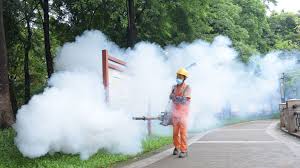
One of the biggest challenges is that no licensed vaccine exists for Chikungunya, making vector control the only defense. The government is deploying aggressive mosquito eradication measures, including:
- Fogging operations in high-risk areas
- Public campaigns promoting mosquito-proof homes
- Distribution of insect repellent in schools and hospitals
Public Awareness: What You Need to Do Right Now
Whether you’re a resident in China or planning a trip, prevention is your best weapon. Here’s what health experts are urging the public to do:
🦟 Mosquito-Proof Your Home
- Use mosquito nets and window screens
- Remove standing water from flowerpots, buckets, and containers
- Run electric mosquito killers or burn mosquito coils
👕 Protect Yourself Outdoors
- Wear long sleeves and pants, especially at dawn and dusk
- Use EPA-approved insect repellents containing DEET or picaridin
- Avoid outdoor activities in mosquito-dense areas
🚨 Watch for Symptoms
If you’ve recently been bitten and are experiencing fever and joint pain, seek medical attention immediately. Early diagnosis helps rule out other mosquito-borne illnesses like Dengue or Zika, which share similar symptoms.
Chikungunya vs COVID-19 in China: Is a Double Threat Emerging?
Many are drawing comparisons between the Chikungunya scare and COVID-19, which emerged from China and took the world by storm. While Chikungunya is not transmitted person-to-person like COVID-19, it still poses a serious burden on public health infrastructure, especially if the spread is not contained early.
Moreover, co-infections are now being documented globally, with some patients testing positive for both Chikungunya and Dengue, leading to severe complications.
Is Chikungunya the Next Pandemic Threat?
It’s premature to label Chikungunya in China as the next pandemic, but global experts aren’t ruling out the possibility. The World Health Organization (WHO) has placed vector-borne diseases like Chikungunya on its watchlist for emerging infectious threats.
If climate patterns continue to favor mosquito breeding, we could witness Chikungunya outbreaks not just in China but across Europe and North America, where Aedes mosquitoes are already present in warmer months.
Final Thoughts: Stay Alert, Not Anxious
The rise of the Chikungunya virus in China is a powerful reminder of how quickly viruses can cross borders in our connected world. While China’s current outbreak numbers are not yet alarming, the risk of rapid spread in urban centers like Guangzhou or Shanghai is real.
Your best defense is awareness and prevention. Keep your surroundings clean, wear protection, and most importantly—stay informed.
With global attention turning to China’s next public health moves, only time will tell whether this virus fizzles out or becomes a new international crisis.
📢 FAQs About Chikungunya Virus in China
Q: Is Chikungunya spreading fast in China?
A: No widespread outbreak yet, but sporadic cases are being reported, mainly in the south.
Q: Can tourists catch Chikungunya in China?
A: The risk is currently low, but it’s best to take mosquito precautions if traveling to humid provinces.
Q: How is Chikungunya different from Dengue?
A: While both are mosquito-borne, Chikungunya is more associated with severe joint pain, whereas Dengue causes bleeding and low platelets.
Q: Is there a cure?
A: No specific antiviral treatment exists. Management involves pain relief and hydration.
Don’t Ignore the Buzz – The World is Watching
As the Chikungunya virus creeps into China’s borders, global health organizations, travelers, and researchers are all on high alert. This isn’t just China’s concern—it’s a wake-up call for every country susceptible to mosquito-borne threats.
Stay protected. Stay informed. And stay one step ahead of the bite.
