
HPV: The Silent Virus Millions Ignore – What You Must Know Now!
“HPV”,
HPV: The Silent Virus Millions Ignore – What You Must Know Now!
When it comes to health threats, most people think about heart disease, diabetes, or even the flu. But there’s one virus quietly affecting millions worldwide – often without them even realizing it. That virus is HPV (Human Papillomavirus). Despite being one of the most common sexually transmitted infections, it’s still surrounded by myths, misunderstandings, and silence. If you value your health, it’s time to break that silence.

What Exactly is HPV?
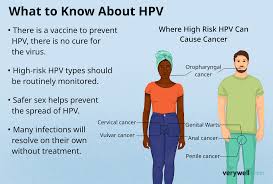
HPV, or Human Papillomavirus, is a group of more than 200 related viruses. Some types cause harmless skin warts, while others are far more dangerous, leading to genital warts and even cancers such as cervical, throat, penile, and anal cancer.
It spreads primarily through intimate skin-to-skin contact – meaning you can get it even without traditional sexual intercourse. And here’s the scary part: you might have it and not even know, because HPV often shows no symptoms until it causes serious health problems.
Why HPV is So Common
HPV is not a rare condition. In fact, it’s estimated that over 80% of sexually active people will contract HPV at some point in their lives. This doesn’t mean everyone will face serious consequences, but it does highlight how easy it is to catch.
The virus doesn’t discriminate – men and women, young or old, can all be affected. It can be spread through vaginal, anal, or oral sex, and sometimes even through close skin contact without penetration.
The Dangerous Link Between HPV and Cancer
One of the most alarming aspects of HPV is its link to certain cancers. According to the World Health Organization, HPV causes nearly 100% of cervical cancer cases. But cervical cancer is just the tip of the iceberg.
HPV is also responsible for:
- Oropharyngeal cancers (throat, base of tongue, tonsils)
- Anal cancer
- Penile cancer
- Vaginal and vulvar cancers
While not every HPV infection turns into cancer, persistent infection with high-risk HPV strains significantly increases the risk.
Symptoms of HPV – Or Lack Thereof
For many, HPV remains invisible. In fact, most people’s immune systems clear the virus naturally within 1–2 years without any health problems. But when the virus lingers, it can lead to complications.
Symptoms, when they do appear, may include:
- Genital warts (small bumps in the genital area)
- Abnormal changes in cervical cells (detected through Pap smears)
- Persistent sore throat or difficulty swallowing (possible signs of HPV-related throat cancer)
Because symptoms are often absent, regular screening is crucial, especially for women.
How to Protect Yourself Against HPV
The good news is that HPV is largely preventable. Here are some effective protection strategies:
1. Get Vaccinated
The HPV vaccine is one of the most effective tools we have. It protects against the most dangerous strains of the virus, including those most likely to cause cancer. Health experts recommend vaccination for both boys and girls, ideally before they become sexually active, but it’s never too late to ask your doctor about it.
2. Practice Safe Sex
Using condoms and dental dams can reduce, though not eliminate, the risk of HPV transmission. Remember, HPV can infect areas not covered by condoms.
3. Limit Number of Sexual Partners
Reducing your number of partners lowers your chances of exposure to the virus.
4. Regular Screenings
Women should have regular Pap smears and HPV tests as recommended by their healthcare provider. Early detection can prevent cervical cancer from developing.
HPV Myths That Could Put You at Risk
Unfortunately, misinformation about HPV is everywhere. Let’s bust some common myths:
- Myth: Only women get HPV.
Truth: Both men and women can contract HPV, and both can develop HPV-related cancers. - Myth: If you don’t have symptoms, you don’t have HPV.
Truth: Most HPV infections are symptomless. - Myth: The HPV vaccine is only for teenagers.
Truth: Adults up to age 45 can still benefit from the vaccine. - Myth: HPV always leads to cancer.
Truth: Most HPV infections go away on their own, but persistent high-risk types can cause cancer.
Living with HPV
For those diagnosed with HPV, the news can feel overwhelming – but it’s important to remember that in most cases, HPV doesn’t cause long-term harm. If you have genital warts, your doctor can suggest treatments like topical medications, cryotherapy (freezing), or minor surgical procedures.
For high-risk HPV strains, close monitoring through regular check-ups ensures any cell changes are detected and treated early.
HPV and Relationships – What You Should Tell Your Partner
Talking about HPV with a partner can feel awkward, but it’s crucial for healthy, honest relationships. HPV is so common that having it doesn’t mean someone has been unfaithful – they could have been infected years before meeting you.
Experts recommend:
- Being open about your diagnosis
- Discussing safe sex methods
- Considering vaccination for both partners
The Future of HPV Prevention
With increasing vaccine coverage, there’s hope that HPV-related cancers could dramatically decline in the coming decades. Some countries, like Australia, are already on track to virtually eliminate cervical cancer thanks to widespread HPV vaccination programs.
But the key is awareness. The more people understand the risks of HPV, the more lives can be saved through prevention and early treatment.
Final Thoughts
HPV might be silent, but it’s far from harmless. From genital warts to life-threatening cancers, the impact of this virus is real – yet preventable. Getting vaccinated, practicing safe sex, and keeping up with regular screenings are your best defenses.
So don’t wait. Talk to your healthcare provider today about HPV prevention. Protect yourself, protect your loved ones, and help break the silence around this hidden health threat.SEO Keywords HPV, HPV vaccine, HPV symptoms, HPV and cancer, HPV prevention, HPV myths, Human Papillomavirus.
