
Hotels Asylum Seekers: The Untold Story Behind Costs, Challenges, and Opportunities
“Hotels Asylum Seekers”
Hotels Asylum Seekers: The Untold Story Behind Costs, Challenges, and Opportunities
In recent years, the phrase “Hotels asylum seekers” has become one of the most searched and debated topics worldwide. Governments, taxpayers, charities, and businesses are all connected to this issue in one way or another. But what exactly does it mean? Why are hotels increasingly being used to house asylum seekers? And what financial, political, and social implications does this have?
If you’re curious about how billions are being spent on temporary accommodation for asylum seekers—and how this impacts economies, communities, and even hotel businesses—this guide breaks it all down for you.
What Does “Hotels Asylum Seekers” Really Mean?
When asylum seekers arrive in a country, they often require immediate shelter while their claims are processed. Governments are legally obligated to provide safe housing. However, due to a shortage of dedicated asylum centers and rising migration flows, hotels have become a go-to solution.
This arrangement means that thousands of hotels across Europe, the UK, Canada, and the US are now temporarily accommodating asylum seekers, with governments footing the bill.
Why Are Hotels Used for Asylum Seekers?
Several reasons explain this trend:
- Overflow in Asylum Centers – Traditional housing facilities are often full.
- Speed of Response – Hotels provide instant shelter without the need for new construction.
- Legal Obligations – International law requires humane treatment of asylum seekers.
- Convenience for Governments – Hotels are already equipped with essential services like beds, bathrooms, and food facilities.
While this may seem like a practical short-term fix, the long-term financial and political implications are massive.
The Hidden Costs of Housing Asylum Seekers in Hotels
The keyword “Hotels asylum seekers” often trends because of its shocking costs. For example, in the UK alone, the government reportedly spends millions of pounds every day to cover hotel bills for asylum seekers. In Canada and the US, similar situations exist, with tax dollars funding accommodations for thousands of new arrivals.
Expenses include:
- Hotel room bookings (often at market rates)
- Food and catering services
- Security and staff
- Healthcare and social support
This has sparked heated debates among taxpayers who wonder if there are more cost-effective alternatives.
The Impact on Local Communities
Beyond finances, using hotels for asylum seekers has social consequences:
- Strain on Local Services – Healthcare, schools, and social support systems can become overloaded.
- Tourism Industry Effects – Some hotels previously used for tourists are now unavailable, which can hurt tourism-dependent economies.
- Public Perception – Communities may feel resentment, leading to protests and political pressure.
At the same time, supporters argue that asylum seekers bring diversity, potential labor force contributions, and humanitarian value to the country.
Opportunities for Hotels and Businesses
Not all is negative. For hotels struggling after the pandemic, government asylum contracts can provide stable, guaranteed income. Instead of empty rooms, hotels receive long-term bookings funded by governments.
This creates:
- Revenue Stability – Especially in low-tourism seasons.
- Job Security – Staff remain employed thanks to consistent hotel occupancy.
- Partnership Potential – Hotels can expand into government contracting.
For some hotels, this shift has been the difference between bankruptcy and survival.
Global Perspective: Hotels and Asylum Seekers Around the World
The issue of “Hotels asylum seekers” is not limited to one region.
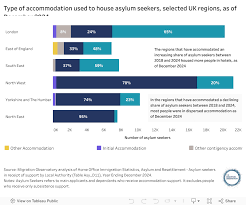
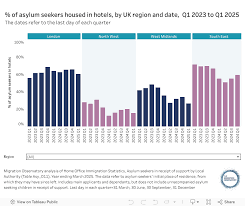
- United Kingdom: Thousands of asylum seekers live in hotels, costing taxpayers over £6 million a day.
- United States: Migrant shelters are overflowing, pushing cities like New York to use hotels as emergency housing.
- Canada: The government collaborates with hotels in Toronto, Vancouver, and Montreal to accommodate asylum seekers.
- Europe: Countries like Germany, Italy, and France are also heavily relying on hotels amid record-high migration numbers.
This proves the phenomenon is global and not just a local crisis.

The Political Debate: A Divisive Topic
“Hotels asylum seekers” has become a hot-button political issue. On one side, humanitarian groups argue that asylum seekers deserve safe, dignified housing. On the other, critics claim governments should invest in purpose-built housing solutions instead of draining taxpayer money on hotels.
This clash of perspectives has fueled political campaigns, media headlines, and even elections.
What’s the Future of Hotels for Asylum Seekers?
Experts suggest that the current reliance on hotels is unsustainable. Governments may:
- Build or expand dedicated asylum housing.
- Partner with private sectors for long-term, cost-effective solutions.
- Reform immigration policies to reduce processing backlogs.
Hotels will likely remain a temporary fix, but the search for alternatives is ongoing.
Conclusion: Why You Should Care About “Hotels Asylum Seekers”
The topic of hotels asylum seekers is not just about migration—it’s about money, politics, and humanity. It highlights the financial burden on taxpayers, the challenges faced by local communities, and the opportunities available to struggling businesses.
As governments continue to spend billions on hotel accommodations, the debate will only intensify. For policymakers, business owners, and citizens, understanding the realities behind this issue is crucial.
✅