
Spain Barcelona Train Crash: What We Know So Far
Spain Barcelona Train Crash: What We Know So Far
A train crash near Barcelona, Spain, has once again drawn attention to rail safety in one of Europe’s busiest transportation networks. Spain is known for its advanced railway infrastructure, including high-speed AVE trains and extensive regional services, which makes any accident involving trains a matter of serious public concern.
This article explains the key details surrounding train crashes in the Barcelona region, the typical causes, emergency response efforts, and what such incidents mean for rail safety in Spain.
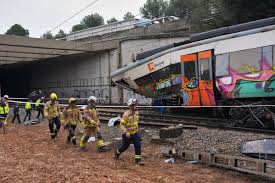
Overview of the Incident
Reports of a train crash in or near Barcelona usually involve commuter or regional rail services, as the city is a major hub for daily passenger traffic. Barcelona’s rail network serves millions of travelers each year, connecting the city to surrounding towns and major Spanish regions.
When a train accident occurs, authorities immediately secure the area, suspend rail traffic on affected lines, and begin rescue operations. Emergency services, including firefighters, medical teams, and police, are typically deployed within minutes.
Emergency Response and Rescue Operations
Spain has a well-coordinated emergency response system. In the event of a Barcelona train crash, the following steps are generally taken:
-
Immediate evacuation of passengers
-
Medical treatment for the injured at the scene
-
Transport of critical patients to nearby hospitals
-
Temporary suspension or rerouting of rail services
Local and regional governments often provide real-time updates to keep the public informed and to prevent panic.
Possible Causes of Train Crashes in Spain
While each accident is investigated individually, train crashes in Spain can result from several factors, including:
-
Signal or technical failures
-
Human error
-
Track or infrastructure issues
-
Adverse weather conditions
-
Obstructions on railway lines
Spain’s railway authorities conduct detailed investigations after every incident to determine the exact cause and to prevent similar accidents in the future.
Impact on Passengers and Rail Services
A train crash in Barcelona can significantly disrupt daily life. Thousands of commuters may face delays, cancellations, or overcrowded alternative transport. Tourism can also be affected, as Barcelona is one of Europe’s most visited cities.
Rail operators usually arrange replacement bus services and issue travel advisories until normal operations resume.
Rail Safety Measures in Spain
Despite isolated accidents, Spain maintains one of the safest rail systems in Europe. Ongoing safety measures include:
-
Regular maintenance of tracks and trains
-
Advanced signaling and automatic braking systems
-
Continuous staff training
-
Independent safety audits
Following any major crash, authorities often review existing protocols and introduce new safety recommendations.
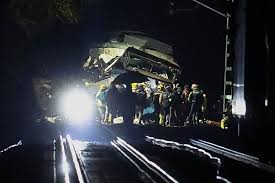
Public Reaction and Government Response
Train crashes naturally raise public concern, especially in densely populated areas like Barcelona. Government officials typically express condolences to affected families and promise transparent investigations. Findings from these investigations are often made public to maintain trust and accountability.
Conclusion
A Spain Barcelona train crash is a serious event, but it also highlights the importance of strong safety systems and rapid emergency response. While train travel in Spain remains statistically safe, every incident serves as a reminder that constant vigilance, maintenance, and improvement are essential.
As investigations continue, authorities focus on ensuring passenger safety and restoring confidence in the rail network.