
Davos: Inside the World’s Most Influential Global Forum
Davos: Inside the World’s Most Influential Global Forum
When people hear the word Davos, they often think of power, wealth, and global decision-making. Tucked away in the Swiss Alps, Davos is far more than a scenic mountain town. It has become a symbol of international dialogue, economic strategy, and the future of the world. Every year, global leaders, CEOs, policymakers, economists, and innovators gather here to discuss the most pressing issues shaping our planet.
In this in-depth guide, we explore what Davos really is, why it matters, and how it continues to influence global politics, business, and society.

What Is Davos and Why Is It Famous?
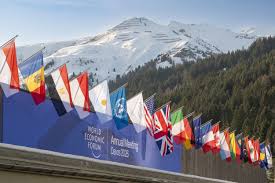
Davos is a resort town in Switzerland best known as the host city of the World Economic Forum (WEF) Annual Meeting. Founded in 1971, the WEF brings together influential voices from around the globe to address challenges such as economic growth, climate change, technology, healthcare, and geopolitics.
While Davos itself is peaceful and picturesque, during the annual meeting it becomes the center of global attention. Decisions and discussions held here often shape international policies, financial markets, and long-term strategies.
The World Economic Forum: The Heart of Davos
The World Economic Forum is a non-profit organization that aims to improve the state of the world through public-private cooperation. Its annual meeting in Davos is invitation-only, making it one of the most exclusive gatherings on Earth.
Key Participants at Davos:
- Heads of state and government officials
- CEOs of multinational corporations
- Central bank governors and financial leaders
- Technology pioneers and startup founders
- Academics, journalists, and civil society leaders
This diverse mix ensures that conversations at Davos go beyond theory and move toward actionable solutions.
Why Davos Matters to the Global Economy
The discussions held in Davos often set the tone for the global economic year. Investors, policymakers, and analysts closely follow speeches and panel discussions for clues about future trends.
Key Economic Topics at Davos:
- Global inflation and interest rates
- Trade policies and supply chains
- Digital transformation and AI
- Energy security and sustainability
- Emerging markets and economic inequality
Because many of the world’s most powerful decision-makers are present, Davos acts as a catalyst for partnerships, investments, and policy shifts.
Davos and High-CPC Business Opportunities
From a digital publishing and advertising perspective, Davos is a high-CPC keyword due to its strong association with:
- Finance and investment
- Global business strategy
- Technology and innovation
- Leadership and policy-making
Brands targeting executives, investors, and professionals often align their messaging with Davos-related themes. This makes content around Davos especially attractive for advertisers in finance, consulting, SaaS, fintech, and corporate services.
Key Themes That Dominate Davos Discussions
Every year, Davos focuses on a central theme reflecting the global mood. While the topics evolve, some issues consistently dominate conversations.
1. Global Economic Stability
Leaders discuss recession risks, debt crises, and strategies to stabilize economies in uncertain times.
2. Climate Change and Sustainability
Davos has become a major platform for climate pledges, green investments, and sustainability initiatives.
3. Technology and Artificial Intelligence
From AI ethics to digital currencies, Davos shapes how emerging technologies are governed and adopted.
4. Geopolitics and Global Cooperation
Conflicts, international relations, and global security are openly debated, often behind closed doors.
Criticism and Controversy Around Davos
Despite its influence, Davos is not without critics. Some argue that it represents elite interests rather than everyday citizens. Others question whether discussions lead to real change or remain symbolic.
Common criticisms include:
- Lack of direct representation for ordinary people
- High costs and exclusivity
- Environmental impact of private travel
In response, the World Economic Forum has increasingly emphasized inclusivity, sustainability, and measurable outcomes.
How Davos Influences Markets and Investors
Financial markets often react to statements made at Davos. A single comment from a central bank leader or CEO can move stocks, currencies, or commodities.
For investors, Davos offers insights into:
- Corporate confidence and future earnings
- Policy direction and regulation
- Long-term investment trends
This makes Davos a must-watch event for anyone involved in global finance.
Davos Beyond the Annual Meeting
While the annual forum gets the most attention, Davos hosts other important events throughout the year, including regional summits and industry-specific meetings. These initiatives extend the influence of Davos beyond a single week in January.
The town itself also plays a role in medical research, climate studies, and alpine tourism, adding to its global relevance.
The Future of Davos in a Changing World
As the world becomes more digital and decentralized, Davos is evolving. Hybrid meetings, virtual participation, and broader stakeholder engagement are reshaping how global dialogue happens.
Yet, the core purpose of Davos remains unchanged: bringing together influential minds to address shared challenges. In an increasingly divided world, the need for such platforms may be greater than ever.
Conclusion: Why Davos Still Matters
Davos is more than a location—it is a symbol of global conversation and cooperation. Whether you see it as a hub of elite power or a platform for progress, its impact on the world is undeniable.
From shaping economic policy to influencing business trends and technological innovation, Davos continues to play a critical role in defining our collective future. For readers, investors, and professionals alike, understanding Davos means understanding where the world may be heading next.
