
Creatine: The Ultimate Guide to Boosting Muscle, Strength, and Performance
“Creatine”
Creatine: The Ultimate Guide to Boosting Muscle, Strength, and Performance
When it comes to sports nutrition and fitness supplements, few products have created as much buzz as creatine. Whether you’re a beginner trying to build muscle, an athlete chasing peak performance, or simply someone curious about health and energy, creatine has likely popped up in your search results. But is it really worth the hype? And how can it help you reach your fitness goals faster? Let’s dive into everything you need to know about creatine—from science-backed benefits to usage, myths, and tips for maximum results.
What is Creatine?
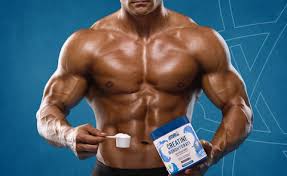
Creatine is a naturally occurring compound found in your muscles, brain, and other tissues. It’s made from three amino acids: arginine, glycine, and methionine. Your body produces creatine naturally, but you also get it from foods like red meat and fish.
However, to reach optimal levels for enhanced performance, many athletes and fitness enthusiasts turn to creatine supplements. The most popular form is creatine monohydrate, which has been extensively studied and proven safe for long-term use.
Why is Creatine So Popular?
Creatine isn’t just another supplement fad. It has been researched for over 30 years and is one of the most effective and affordable supplements available. Some key reasons for its popularity include:
- Faster Muscle Growth – Creatine increases water retention in muscles, making them appear fuller while supporting growth.
- Boosted Strength & Power – It provides extra energy during high-intensity workouts like weightlifting and sprinting.
- Improved Recovery – Helps reduce muscle fatigue and speeds up recovery between training sessions.
- Enhanced Brain Function – Recent studies suggest creatine may support memory, focus, and cognitive health.
The Science Behind Creatine
Creatine works by replenishing ATP (adenosine triphosphate)—the body’s primary energy currency. During intense exercise, ATP is quickly depleted. Supplementing with creatine allows your muscles to regenerate ATP faster, giving you extra bursts of power and endurance.
In simple words: Creatine = more energy, more strength, more gains.
Types of Creatine Supplements
While creatine monohydrate is the gold standard, other variations exist. Here’s a quick breakdown:
- Creatine Monohydrate – Most researched, most effective, most affordable.
- Creatine HCL (Hydrochloride) – Claims better absorption, but research is limited.
- Buffered Creatine (Kre-Alkalyn) – Marketed as stomach-friendly, though results are similar to monohydrate.
- Creatine Ethyl Ester – Less effective compared to monohydrate.
👉 Pro Tip: Stick with creatine monohydrate. It’s reliable, proven, and budget-friendly.
How to Take Creatine for Best Results
There are two common ways to use creatine:
1. Loading Phase (Optional)
- 20g per day for 5–7 days, split into 4 doses.
- This quickly saturates your muscles with creatine.
2. Maintenance Phase
- 3–5g per day for long-term use.
- Can be taken with water, juice, or a protein shake.
💡 Best Time to Take Creatine: Many prefer post-workout with carbs and protein to maximize absorption, though consistency matters more than timing.
Benefits of Creatine You Can’t Ignore
- Muscle Growth: Helps increase lean muscle mass over weeks of consistent training.
- Athletic Performance: Provides explosive power for lifting, sprinting, and high-intensity sports.
- Recovery Boost: Reduces fatigue, muscle soreness, and injury risks.
- Brain & Nerve Support: Emerging research links creatine with reduced risk of neurological diseases.
- Safe for Long-Term Use: Multiple studies confirm no harmful effects in healthy individuals.
Myths and Misconceptions About Creatine
Despite being safe and effective, creatine is surrounded by myths:
- ❌ Myth 1: Creatine damages your kidneys.
✅ Truth: Studies show no harm to healthy kidneys. - ❌ Myth 2: Creatine causes dehydration or cramps.
✅ Truth: Actually, it may improve hydration levels in muscles. - ❌ Myth 3: Creatine is a steroid.
✅ Truth: Creatine is NOT a steroid—it’s a natural compound.
Who Should Take Creatine?
- Athletes & Bodybuilders – For power, strength, and endurance.
- Older Adults – To support muscle mass and brain health.
- Students & Professionals – To potentially enhance memory and focus.
- Vegetarians & Vegans – Since plant-based diets provide less creatine naturally.
Possible Side Effects of Creatine
Creatine is considered one of the safest supplements available, but some people may experience:
- Bloating (temporary water retention)
- Mild stomach discomfort (avoid by splitting doses and drinking enough water)
👉 Tip: Stick to 3–5g daily, and drink plenty of fluids to avoid issues.
Should You Invest in Creatine?
If you’re serious about fitness, strength training, or even cognitive performance, creatine is one of the best investments you can make. It’s affordable, safe, and proven to deliver results. Compared to expensive supplements that promise the world but do little, creatine stands out as the real deal.
Final Thoughts
Creatine isn’t just a buzzword in the fitness industry—it’s a scientifically proven powerhouse supplement that boosts strength, supports muscle growth, aids recovery, and may even improve brain health. Whether you’re an athlete, student, or fitness beginner, creatine can be the missing piece in unlocking your true potential.
So, if you’ve been sitting on the fence, it’s time to give creatine a shot. With consistency, training, and proper nutrition, it could be the game-changer your body (and mind) has been waiting for.
