
Skimmed Milk: The Ultimate Low-Fat Dairy Choi
“skimmed milk”
Skimmed Milk: The Ultimate Low-Fat Dairy Choice You Need to Know About
If you’ve ever stood in a supermarket dairy aisle wondering whether to grab full-fat, semi-skimmed, or skimmed milk, you’re not alone. In recent years, skimmed milk has become a hot topic in health and fitness circles, praised for being a guilt-free, nutrient-rich alternative to its creamier cousins. But what exactly is skimmed milk, and why are so many people swapping to it?
In this guide, we’ll uncover everything you need to know about skimmed milk—from its benefits and nutritional profile to whether it’s the right choice for your lifestyle.

What is Skimmed Milk?
Skimmed milk, also known as non-fat or fat-free milk, is regular cow’s milk that has had almost all of its cream (fat content) removed. The fat is separated during the production process, leaving a lighter, thinner consistency compared to whole milk.
While whole milk contains around 3.5% fat, skimmed milk typically contains less than 0.5% fat, making it a top choice for those looking to cut calories without giving up dairy altogether.
The Nutritional Breakdown of Skimmed Milk
Despite having less fat, skimmed milk is still packed with essential nutrients. Here’s what a 200ml glass of skimmed milk generally offers:
- Calories: 70–80 kcal
- Fat: <0.5g
- Protein: 7g
- Carbohydrates: 10g
- Calcium: Around 250mg (about 25% of your daily needs)
- Vitamins: B2, B12, and D (if fortified)
The reduced fat content means skimmed milk is naturally lower in calories, making it a great choice for people who want to manage their weight while still enjoying dairy’s health benefits.
Top Health Benefits of Skimmed Milk
Switching to skimmed milk can bring multiple benefits—if it suits your dietary needs. Let’s break them down:
1. Low in Calories, High in Protein
Skimmed milk is ideal for those on calorie-controlled diets. You still get a decent hit of protein, which helps with muscle repair, growth, and satiety—without the extra calories from fat.
2. Supports Bone Health
With high calcium content, skimmed milk helps maintain strong bones and teeth. It also contains vitamin D (in fortified versions), which improves calcium absorption.
3. Heart-Friendly Option
Reducing saturated fat intake is often recommended for heart health. Since skimmed milk contains minimal fat, it can be a smart choice for people watching their cholesterol.
4. Keeps You Hydrated
Milk is about 90% water, so it’s a refreshing and hydrating drink, especially after exercise.
Skimmed Milk vs. Whole Milk: Which is Better?
Here’s the truth—there’s no one-size-fits-all answer.
- Whole Milk: Creamier texture, more calories, and more fat-soluble vitamins like A and E.
- Skimmed Milk: Lower calories and fat, but still nutrient-rich.
If you’re trying to reduce calories or saturated fat intake, skimmed milk is a great choice. But if you prefer a richer taste and aren’t watching your calorie count, whole milk might suit you better.
How to Incorporate Skimmed Milk into Your Diet
Adding skimmed milk to your routine is simple—and surprisingly versatile. Here are some easy ideas:
- Morning Coffee or Tea: Lighten your brew without the heaviness of cream.
- Breakfast Cereal: A healthier option for your morning bowl.
- Smoothies & Protein Shakes: Adds creaminess without excess fat.
- Baking & Cooking: Perfect for pancakes, sauces, and soups.
Common Myths About Skimmed Milk
There’s a lot of misinformation floating around about skimmed milk. Let’s bust a few myths:
Myth 1: Skimmed milk has no nutrients.
False—while it has less fat, it still contains all the key nutrients like protein, calcium, and vitamins.
Myth 2: It’s just watered-down milk.
Not true—skimmed milk is created by removing the cream, not by adding water.
Myth 3: It’s always the healthiest choice.
It depends on your personal needs. Some people benefit from the extra calories and fat in whole milk, especially children and athletes.
Who Should Drink Skimmed Milk?
- People on weight-loss diets
- Those with high cholesterol
- Adults looking to cut saturated fat intake
- Anyone who enjoys a lighter milk taste
However, children under five usually need the extra calories and fat from whole milk for growth and development.
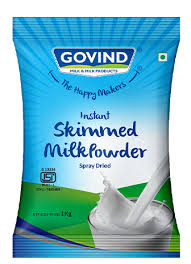
Where to Buy the Best Skimmed Milk
Skimmed milk is widely available in supermarkets, online grocery stores, and even local dairies. Popular UK brands include:
- Cravendale – Fresh taste and longer shelf life
- Arla – Known for high-quality dairy products
- Tesco & Asda Own Brand – Affordable and widely available
- Organic Options – From brands like Yeo Valley for those who prefer organic dairy
Final Thoughts on Skimmed Milk
Skimmed milk is more than just a diet-friendly drink—it’s a nutrient-packed, versatile option for anyone looking to enjoy dairy without the extra fat. Whether you’re mixing it into your morning coffee, pouring it over cereal, or using it in cooking, it’s a smart, health-conscious choice.
That being said, the “best” milk really depends on your lifestyle and nutritional needs. Skimmed milk may be perfect for one person and less ideal for another. Always listen to your body—and your taste buds—when making the switch.
✅ Pro Tip for SEO readers: If you’re on the fence about switching, try alternating between skimmed and semi-skimmed milk for a smoother transition. You’ll reduce calories without losing too much creaminess.
If you want, I can also optimise this further with meta description, focus keywords, and internal link strategy so it has a higher chance of ranking on Google worldwide for “skimmed milk”.
